
L’essentiel à retenir :
L’efficacité d’un lavage en car wash repose sur une préparation soignée et le respect d’un temps d’application précis, notamment pour les dégraissants qui ne doivent pas dépasser 2 minutes. Il est crucial d’éviter le lavage en plein soleil pour limiter les traces de calcaire et optimiser le travail des agents nettoyants. La gestion de la température ambiante entre +10°C et +25°C maximise également la performance du nettoyage.
Laver sa voiture sans faux pas commence par comprendre que le timing et les conditions ambiantes dictent la qualité du résultat final. Lorsque l’on suit une séquence de lavage optimale, les risques d’endommagement des surfaces et de résidus indésirables diminuent nettement. Le choix des créneaux horaires adaptés ainsi que la protection rigoureuse des éléments sensibles comme les joints sont des étapes indispensables. Savoir maîtriser ces aspects améliore durablement la propreté et la durabilité de la carrosserie après chaque passage au car wash.
How to wash a car in a car wash: pro-grade prep and timing
Washing a car efficiently requires more than just spraying water and soap. To achieve a professional finish, focus on proper preparation and timing. The key is to avoid washing your vehicle under direct sunlight to prevent water spots and soap drying too quickly on the paint surface.
Using the right duration of chemical treatments is also critical. For example, degreasers should be applied but never kept longer than 2 minutes to protect the clear coat and seals from damage.
Furthermore, water temperature plays a role: a moderate ambient temperature between +10°C and +25°C is ideal for active cleaning agents to work effectively, avoiding risks related to freezing or overheating that can harm paintwork or rubber components.
When learning how to wash a car in a car wash, plan your visit during these favorable conditions to make the most out of the automatic and manual cleaning steps.
Preparation and timing for self-service car washes
Best time of day to wash a car
The best time of day to wash a car is early morning or late evening. At these times, the sun’s rays are less intense, reducing the chance of soap or foam drying prematurely and leaving streaks.
Washing during the shade or in overcast weather also helps maintain an even cleaning process and protects paint from potential sun damage that occurs with instantaneous evaporation of cleaning agents.
Temperature and weather considerations
Avoid washing your car when temperatures are below 5°C or above 30°C. Cold weather slows down chemical reactions, reducing cleaning efficiency and risking freezing on the surface. High temperatures cause soaps and waxes to dry too fast, leaving undesirable water spots and streaks.
If temperatures are too low, lukewarm water is preferable. Avoid strong winds, which can blow debris onto wet surfaces causing scratches or dust settling on the paint during drying.
Vehicle prep and window protection
Before entering the car wash bay, prepare your vehicle by closing all windows, sunroofs, and vents to ensure no water or detergent enters the interior. Inspect seals for damage and apply silicone spray if needed to maintain flexibility. Si vous souhaitez en savoir davantage sur entretien intérieur de voiture, il existe plusieurs astuces pour garder l’habitacle propre et frais.
Remove loose dirt, leaves, or stones from wheel wells and door panels to prevent scratching during washing. Protect windows by ensuring the rubber seals are intact and free from deterioration to prevent water ingress during the high-pressure phases.
Step-by-step washing sequence at a car wash
Pre-wash and degreasing
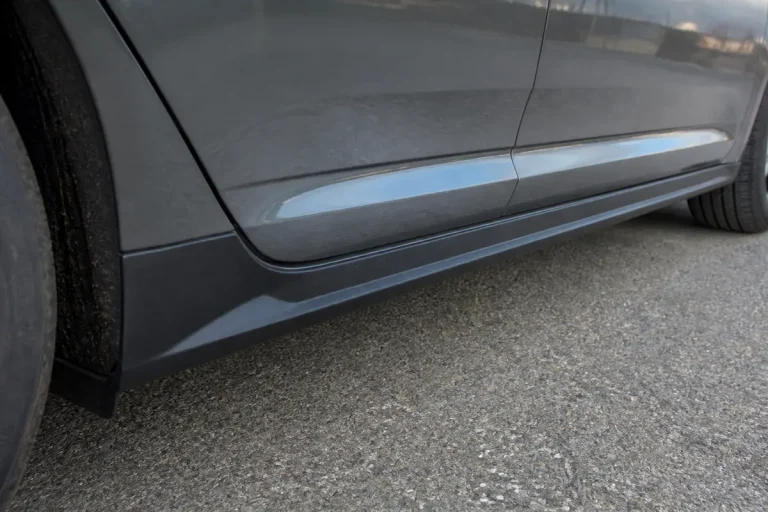
Start with a thorough pre-wash using the high-pressure jet to remove loose dirt and grit. Focus on wheel arches, bumpers, and rocker panels where grime tends to accumulate.
Apply a degreasing agent, especially on brake dust-heavy areas and tar spots. Limit the chemical’s contact time to less than 2 minutes to prevent paint damage.
This initial treatment loosens stubborn dirt and road film for easier removal during foaming.
Main wash with foam and scrubbing
Select the foam wash setting and apply an even layer of soap suds acting as a lubricant to protect paint during scrubbing. Use a soft brush or mitt provided by the car wash, rinsing it frequently to avoid embedding abrasive particules that can cause micro-scratches.
Always wash from the top down. Starting at the roof, windows, and hood guides dirt downward preventing re-contamination of cleaned areas.
Rinse, wheels, and brake dust removal
Perform a thorough rinse with high-pressure water, again working from top to bottom. Pay attention to remaining foam residues on the paint and glass.
Manually scrub wheels and rims with a dedicated brush and cleaner to eliminate brake dust and road grime. This step is crucial since brake dust is abrasive and hard to remove if left too long.
Waxing, drying, and osmosis rinse
Apply a liquid or spray wax to add a protective barrier against future contaminants. Ensure even coverage and allow the wax a few minutes to bond.
Many car washes offer a final rinse with osmosis treated water to reduce mineral deposits and prevent streaks.
Dry the vehicle with microfiber towels and, if available, use air blowers to expel water from crevices, minimizing water spots.
Tools and methods to prevent scratches
Two-bucket wash method explained
The two-bucket method is essential to avoid scratching. Use one bucket for soap solution and a second bucket for rinsing the wash mitt or sponge.
This method separates dirt and grit from the cleaning mitt after each panel, reducing the chances of rubbing dirty particles back onto the painted surface.
Tips for how to wash a car in a car wash like a pro
Always check brushes and equipment before use to ensure there are no stones or debris trapped. Wash brushes with a high-pressure jet before starting every section.
Keep pressure below 100 bar during high-pressure rinsing close to seals to prevent damage. Maintain a distance of 30 to 40 cm between the nozzle and the surface.
Rinse mitts frequently in clean water buckets and wring out excess moisture to avoid drip marks and scratches.
Drying with microfiber and air blowers
Drying is a critical final step. Use thick, clean microfiber towels and dry the car systematically by sections, spending about 2 minutes per large panel for thorough moisture removal.
Use compressed air blowers to clear water from mirrors, badges, around door handles, and crevices. This reduces streak formation and protects sensitive rubber seals.
Le mot de l’auteur
« Proper timing and gentle handling combined with a two-bucket method and air drying are the secrets to a spotless, scratch-free car wash every time. »
Finish, protection and aftercare
Once the car is washed and dried, conduct a final inspection under different light sources to spot any missed areas or streaks.
Apply a quick detail spray or sealant to maintain shine and add a protective layer between washes. This helps in repelling dirt and water, extending the durability of your wash.
Regularly care for your door seals and rubber trims using silicone protectants to prevent drying and cracking caused by frequent washing and exposure to chemicals.
After about 10 to 20 washes, lubricate hinges and locks with oil to ensure smooth operation and to counter potential grease loss during cleaning.
Keep microfiber towels clean by washing them without fabric softener, which preserves their softness and absorbency for future uses.
🧮 Calculateur de durée pour how to wash a car in a car wash
Estimez le temps total nécessaire pour laver votre voiture avec les différentes étapes professionnelles.
FAQ — how to wash a car in a car wash
How to properly wash your car at a carwash?
To properly wash your car at a carwash, prepare your vehicle by closing all windows and removing loose debris. Use pre-wash and degreasing steps within the recommended times. Wash from top to bottom using soft brushes and rinse thoroughly. Finish with waxing and drying for best results.
Do you turn the car off during a car wash?
During a car wash, you should turn the car off once positioned correctly in the wash bay to avoid movement. Leaving the engine off ensures safety and allows the automatic or manual cleaning cycles to proceed without interruption.
Do I put my car in neutral in the car wash?
Yes, you usually put your car in neutral when using a conveyor or automatic car wash to allow the vehicle to move smoothly through the system without driver intervention. Make sure to keep your foot off the brake unless instructed otherwise.
Is it better to hand wash a car or go through a car wash?
Choosing between hand washing and a car wash depends on your goal. Hand washing offers thorough, gentle cleaning but takes longer, while car washes provide faster service with professional equipment. Proper preparation and technique improve results in both methods.
How long should degreasers be left on the car during washing?
Degreasers should be applied but never kept longer than two minutes on the car. Prolonged contact risks damaging the clear coat and seals, so timing is critical to protect your vehicle’s finish during washing.
What is the best time of day to wash a car in a car wash?
The best time of day to wash a car in a car wash is early morning or late evening when the sun is less intense. This reduces premature drying of soaps and foam, preventing streaks and water spots on the paintwork.

Les jambes en suspension au volant, il raconte ses balades et les secrets que chaque virage lui murmure. Entre anecdotes et coups de cœur, il tisse une prose sincère pour tous ceux qui vivent la route comme une aventure à part entière.