
L’essentiel à retenir :
Pour freshen car interior rapidement, l’élimination des odeurs passe par une ventilation optimale et un nettoyage régulier des sièges et tapis. Le maintien d’un filtre d’habitacle en bon état contribue à un air intérieur plus sain, tandis que l’usage de déodorants naturels comme la charbon actif assure une absorption efficace des mauvaises odeurs.
Une voiture malodorante ne reflète pas seulement un manque d’entretien, mais impacte aussi le confort quotidien au volant. Les sources d’odeurs peuvent se cacher dans les tapis humides, les filtres sales ou les recoins difficiles d’accès, rendant indispensable un protocole structuré de nettoyage. Maîtriser les méthodes pour éliminer les odeurs incrustées avec des produits adaptés et des gestes simples permet d’assurer une cabine fraîche et saine. Vous saurez ainsi adopter les bonnes pratiques pour une atmosphère agréable et durable dans votre véhicule.
how to freshen car interior fast: quick-start guide
Want to know how to freshen car interior fast? Start by removing trash and clutter, then open all windows to air out the cabin for 10 to 15 minutes. Vacuum seats, carpets, and mats to clear dust and debris that trap odors.
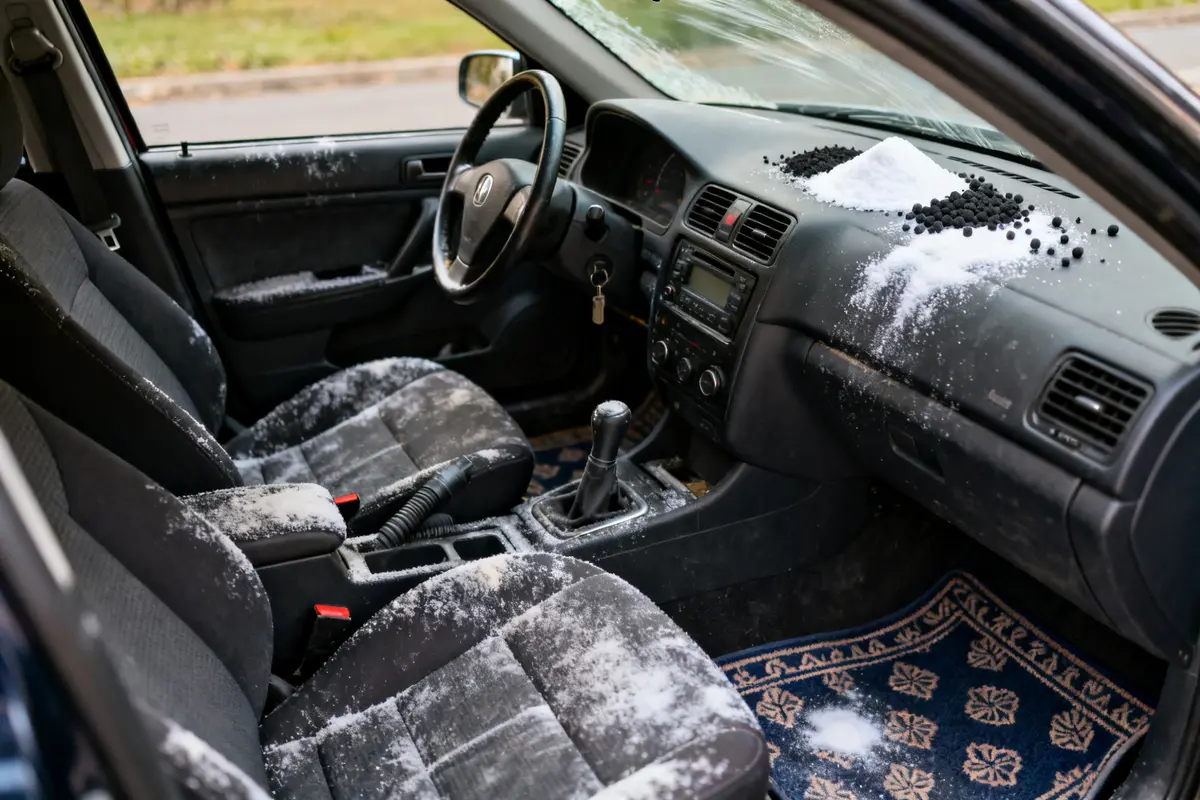
Next, wipe hard surfaces like the dashboard and door panels with a microfiber cloth dampened with a gentle cleaner. Finally, place natural deodorizers such as coffee grounds or activated charcoal inside the car overnight to absorb lingering smells. These immediate steps quickly improve your car’s smell before deeper cleaning.
Common odor sources in car interiors
Odors can come from many common sources in your car’s interior. Food spills, pet dander, cigarette smoke, and moisture buildup all contribute to unpleasant smells. Wet carpets or upholstery can lead to mold and mildew, which cause a musty scent. Even your AC system can spread odors if filters are dirty or drains clogged.
Neglected trash or forgotten items like damp clothes also create breeding grounds for bacteria that worsen smells. Car interiors provide lots of nooks and crevices where crumbs and dirt collect, intensifying bad odors. Identifying the exact source is critical for choosing the right cleaning method.
how to freshen car interior with odour-eliminating steps
Deep clean upholstery and carpets
A thorough cleaning of upholstery and carpets is key to removing embedded odors. Start by vacuuming every surface carefully to remove dirt and pet hair. Then use a suitable upholstery shampoo or carpet cleaner to treat stains and absorb smells.
Sprinkle baking soda on carpets before vacuuming to neutralize odors better, letting it sit for 4 to 6 hours for best results. For fabric seats, use a soft brush with a cleaning solution made for automotive textiles. Leather seats require gentle cleansers to avoid removing protective coatings.
Regular deep cleaning every 2 to 4 weeks helps keep the interior smelling fresh longer by preventing odor buildup. Don’t forget to lift and clean under floor mats, as these areas usually harbor grime and moisture.
Vent and cabin filter cleaning
Your vehicle’s air vents and cabin filter play a huge role in air quality and smell control. Dust and mold can gather inside vents, circulating bad odors when the AC or heater runs.
Clean vents using a small brush or compressed air canister to remove dust and debris. Replace the cabin air filter regularly; this simple step traps allergens and pollutants that cause stale smells. Many filters require replacement every 12,000 to 15,000 km, but check your manual for specifics.
AC and sunroof drain checks
Blocked drains in your air conditioning system or sunroof can cause water to pool inside the car, leading to damp odors and mold growth. Locate AC drain tubes underneath the car and sunroof drains near the seals. Clear any visible debris gently by hand—avoid using compressed air, which may damage seals.
If you hear sloshing noises when the AC runs or detect a persistent musty smell, these drains likely need cleaning. A professional mechanic can ensure proper drainage to prevent odors from returning.
Le mot de l’auteur
« Regular interior maintenance every two to four weeks is the best way to keep your car smelling fresh and avoid stubborn odors. »
DIY methods: cleaners and home remedies
Baking soda, charcoal and coffee basics
Baking soda is a powerful and affordable odor neutralizer. Sprinkle it liberally on fabric surfaces and carpets, let sit for 4 to 6 hours, then vacuum it thoroughly. This waiting period maximizes the powder’s ability to absorb odors.
Activated charcoal and coffee grounds also act as natural deodorizers. Place open containers of these in your car overnight to absorb unpleasant smells. Coffee has the added benefit of leaving behind a mild, pleasant scent.
Vinegar, enzyme cleaners and combos
White vinegar is an excellent odor remover thanks to its acidic nature that breaks down odor-causing molecules. Mix equal parts vinegar and water, spray lightly on fabric areas, and allow it to air dry. Vinegar scent fades quickly, taking bad smells with it.
Enzyme cleaners use natural bacteria to digest organic materials like pet urine or food spills. Apply these cleaners as directed and let them work for the recommended time. Combining vinegar sprays with enzyme treatments can tackle mixed odors effectively.
Ozone usage and safety considerations
Ozone generators are highly effective at eliminating deep odors by oxidizing odor molecules inside the car. However, ozone is a strong oxidant and can be dangerous if not used carefully.
If you opt for ozone, limit the treatment to 20 to 30 minutes max in an unoccupied vehicle. Afterward, wait at least 1 to 2 hours before re-entering. Always remove people and pets during treatment to avoid respiratory irritation or harm.
How to refresh car interior safely
Use gentle, car-specific cleaning products on surfaces to avoid damage. Avoid harsh chemicals like bleach or ammonia, which can ruin upholstery or coatings.
Ensure the car is well ventilated after treatments. Keep moisture low to prevent mold. Test new products on small hidden areas first. Regularly vacuum and wipe down surfaces with microfiber cloths to maintain cleanliness and freshness.
🧮 Quick Checklist to Freshen Car Interior
Check off each step below to ensure your car stays fresh and odor-free.
When to call pros for tough odors
Some odors require professional help. Persistent smells from mold, rodents, or water damage often need specialized treatment beyond DIY cleaning. Professionals have tools like ozone generators, steam cleaners, and industrial-grade enzyme treatments.
Water intrusion can damage interior panels and cause health risks if mold is present. Similarly, rodent infestations may require component replacement to fully eliminate the odor and contamination. If you detect sweet or fishy odors from your vents, it could signal a coolant leak needing immediate mechanic attention.
Regular preventive cleaning is best, but when odors persist despite efforts, do not hesitate to seek expert detailing or automotive technicians for long-term solutions that protect your health and your vehicle.
FAQ — how to freshen car interior
How do you deodorize a car interior?
To deodorize a car interior, remove trash and clutter, vacuum seats and carpets, and clean surfaces. Use natural deodorizers like baking soda, activated charcoal, or coffee grounds overnight to absorb odors. Regular deep cleaning prevents buildup and maintains freshness.
How to keep car interior smelling fresh?
To keep car interior smelling fresh, routinely vacuum and clean upholstery and carpets every 2 to 4 weeks. Replace cabin air filters regularly, clean air vents, and check AC and sunroof drains for blockages. Use gentle cleaners and natural deodorizers to maintain a pleasant scent.
How to freshen up your car interior?
To freshen up your car interior, air it out by opening windows, vacuum thoroughly, and wipe hard surfaces with a mild cleaner. Use baking soda, charcoal, or coffee grounds overnight to neutralize smells. A regular cleaning routine helps prevent stubborn odors.
Can car air fresheners cause migraines?
Car air fresheners can cause migraines in some people due to strong fragrances or chemicals. Using natural odor eliminators and ensuring good ventilation can reduce this risk. It’s best to avoid harsh artificial scents if you are sensitive to migraines.
What are the common odor sources in car interiors?
Common odor sources in car interiors include food spills, pet dander, cigarette smoke, moisture buildup causing mold and mildew, dirty AC filters, and forgotten damp items. Nooks and crevices trap dirt and bacteria, worsening smells if not cleaned regularly.
When should you call professionals for tough odors in a car?
You should call professionals for tough odors caused by persistent mold, rodents, water damage, or coolant leaks. Experts use advanced treatments like ozone generators and steam cleaners not achievable with DIY methods to ensure safe and thorough odor removal.

Les jambes en suspension au volant, il raconte ses balades et les secrets que chaque virage lui murmure. Entre anecdotes et coups de cœur, il tisse une prose sincère pour tous ceux qui vivent la route comme une aventure à part entière.